Agriculture is one of the oldest and most important industries in the world, providing food, raw materials, and employment for billions of people. As the global population continues to grow, the demand for food is increasing rapidly. To meet this demand, farmers and agricultural organizations are adopting modern technologies that improve productivity, efficiency, and sustainability. Technology has become a driving force in transforming traditional farming practices into advanced agricultural systems.
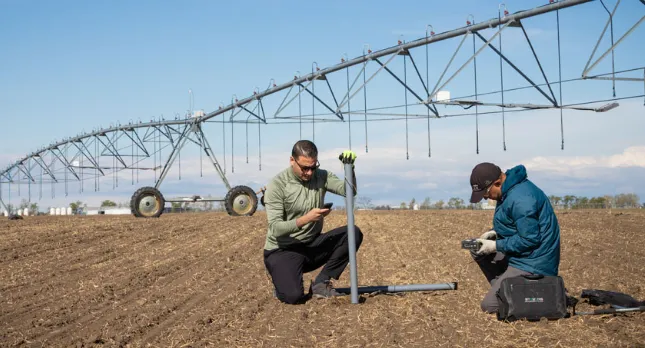
One of the most significant contributions of technology to agriculture is the development of precision farming. Precision agriculture uses GPS systems, sensors, drones, and data analytics to monitor crop conditions and soil health. Farmers can identify specific areas that require water, fertilizers, or pest control, allowing them to use resources more efficiently and reduce waste.
Modern machinery has greatly improved agricultural productivity. Tractors, harvesters, seed drills, and automated irrigation systems enable farmers to perform tasks more quickly and accurately than manual methods. These machines reduce labor requirements and increase crop yields, helping farmers meet growing market demands.
Technology also plays a crucial role in water management. Smart irrigation systems use sensors and automated controls to deliver the right amount of water to crops at the right time. This reduces water wastage and supports sustainable farming practices, especially in regions facing water shortages.
The use of biotechnology has further enhanced agricultural development. Scientists have developed improved crop varieties that are more resistant to diseases, pests, and environmental stresses. These innovations contribute to higher yields and better food security while reducing the need for excessive chemical thời tiết thị xã buôn hồ .
Digital technologies have improved access to agricultural information and markets. Farmers can use smartphones and online platforms to obtain weather forecasts, market prices, farming advice, and training resources. This information helps them make informed decisions and improve their profitability.
Despite its many advantages, agricultural technology also presents challenges. High equipment costs, limited access to technology in rural areas, and the need for technical knowledge can create barriers for some farmers. Governments and organizations must work to ensure that technological benefits are accessible to all agricultural communities.
In conclusion, technology is transforming agriculture by improving productivity, resource management, crop thời tiết thành phố bắc giang , and market access. Its applications in precision farming, machinery, irrigation, biotechnology, and digital communication are helping create a more sustainable and efficient agricultural sector. As innovation continues, technology will play an increasingly important role in ensuring global food security and agricultural development.